

Table of Contents
- What Fabric Weave Density Actually Is
- Thread Count vs. Fabric Density: Key Differences
- How Warp and Weft Density Shape Your Clothes
- Frequently Asked Questions
Last Updated: October 13, 2026
What Fabric Weave Density Actually Is
Fabric weave density is the measure of how tightly yarns are packed together in a woven fabric. It counts how many threads run lengthwise (warp) and crosswise (weft) per unit of fabric, typically per inch.
Think of it like this: a loose weave has visible gaps between yarns. A tight weave has yarns pressed close together, creating a solid surface. The tighter the weave, the more durable and structured the fabric feels.
This matters because density directly affects how your clothes perform. A dense weave resists pilling, holds its shape longer, and breathes differently than a loose one. At Bearable Apparel, we focus on fabric quality that lasts, and understanding density is key to identifying clothes worth wearing.
Thread Count vs. Fabric Density: Key Differences
These terms get confused often, but they measure different things.
Thread count only counts vertical threads per inch. It ignores the horizontal threads entirely. You might see "400 thread count" on a sheet label, that's just the warp count.
Fabric weave density counts both directions. It measures warp density (vertical) and weft density (horizontal) separately. A fabric might have 200 warp threads and 150 weft threads per inch, that's unequal density.
Why does this matter? Thread count can be misleading. A fabric with high thread count but loose weft density will feel thin and weak. Balanced density, where warp and weft are similar, creates more stable, durable fabric.
When you're shopping for quality apparel, look for both numbers if they're available. Density tells you the real story about how the fabric will perform.
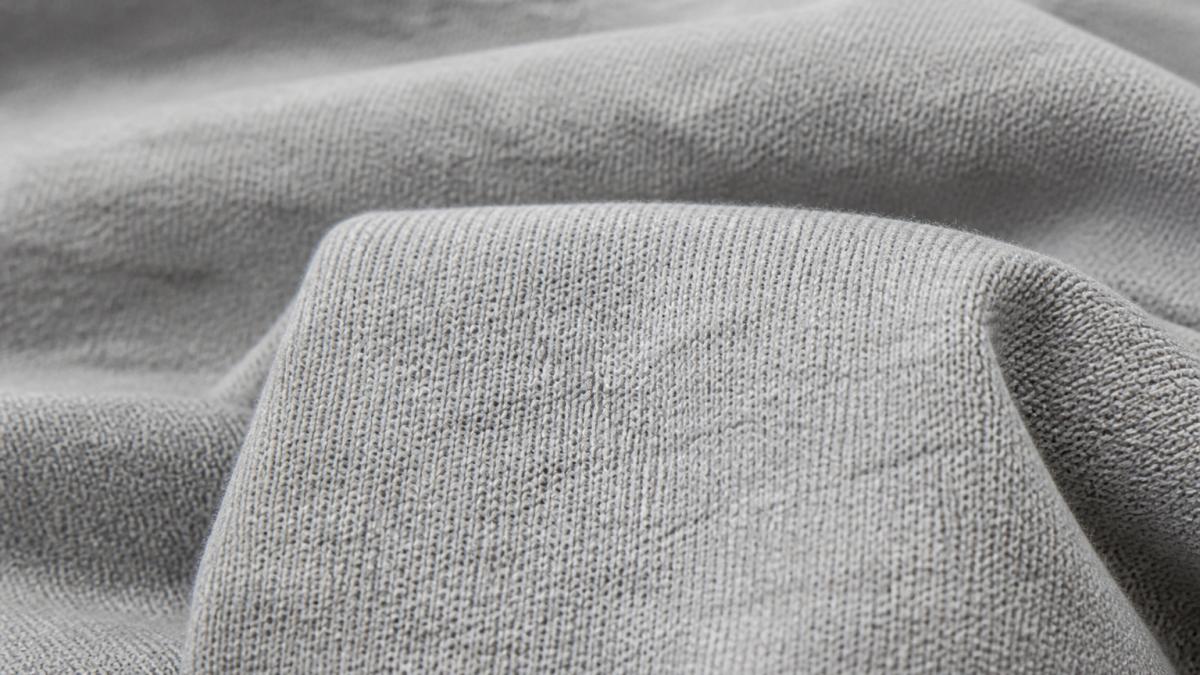
How Warp and Weft Density Shape Your Clothes
Warp and weft work together to create fabric behavior. The warp runs vertically on the loom. The weft runs horizontally, interlacing with the warp to form the weave structure.
Higher warp density makes fabric stronger in the lengthwise direction. Higher weft density adds firmness and body. When both are high, you get a compact, durable fabric that resists shrinkage and holds its shape through washing.
Consider a t-shirt like our Wish You Were Here tee, made from 100% preshrunk jersey knit cotton. The density of that knit determines how it drapes on your body, how soft it feels against skin, and how long it survives repeated wear. A well-balanced density keeps the fabric from becoming baggy or losing its structure.

Lower density fabrics feel lighter and more breathable. They're ideal for summer wear. But they pill more easily and wear faster. Higher density fabrics are heavier, more durable, and better for everyday pieces you wear frequently.
The real difference between clothes that last and clothes that fade fast often comes down to this simple factor: how tightly the yarns are woven together.
Frequently Asked Questions
What's the difference between fabric weave density and thread count?
Thread count measures only the vertical and horizontal threads per inch, while fabric weave density measures the actual yarns per unit length in both warp and weft directions, accounting for how tightly they're interlaced. Density is the more complete measure of fabric construction. A shirt with high thread count but loose weave density will feel flimsy, while balanced density creates the structure that makes apparel durable and comfortable over time.
Does a tighter weave make fabric better quality?
Tighter weaves generally improve durability and wear resistance, but there are trade-offs. A very tight weave can reduce breathability and drape, making clothes feel stiff or uncomfortable. Quality depends on balance: the best apparel uses density appropriate for its purpose. A heavyweight cotton t-shirt like Bearable Apparel's Wish You Were Here uses denser weaving in the jersey knit to provide durability without sacrificing the comfort and softness everyday wear demands.
How does fabric density affect breathability and comfort?
Density directly controls airflow through fabric. Higher density reduces the space between yarns, limiting breathability but increasing warmth and protection. Lower density allows more air circulation, improving breathability for warm-weather wear. For everyday apparel, moderate density balances both needs: dense enough to resist pilling and shrinkage, but open enough to feel comfortable against skin and allow moisture to move through the fabric during activity.
Understanding fabric weave density helps you make smarter choices about what you buy. Quality apparel isn't just about the fiber type, it's about how those fibers are constructed. When you choose pieces built with thoughtful density, you're investing in clothes that feel better, last longer, and earn their place in your everyday rotation. Explore our collection at Bearable Apparel and experience the difference that quality construction makes.
