

Table of Contents
- Understanding the Three-Layer Clothing System
- Best Base Layers for Hiking and Cold Weather
- Mid-Layer Fleece for Hiking and Warmth
- Frequently Asked Questions
Last Updated: October 12, 2026
Understanding the Three-Layer Clothing System
The three-layer clothing system, a moisture-wicking base layer, an insulating mid-layer, and a protective outer shell, keeps you comfortable outdoors as your activity level and environment change.
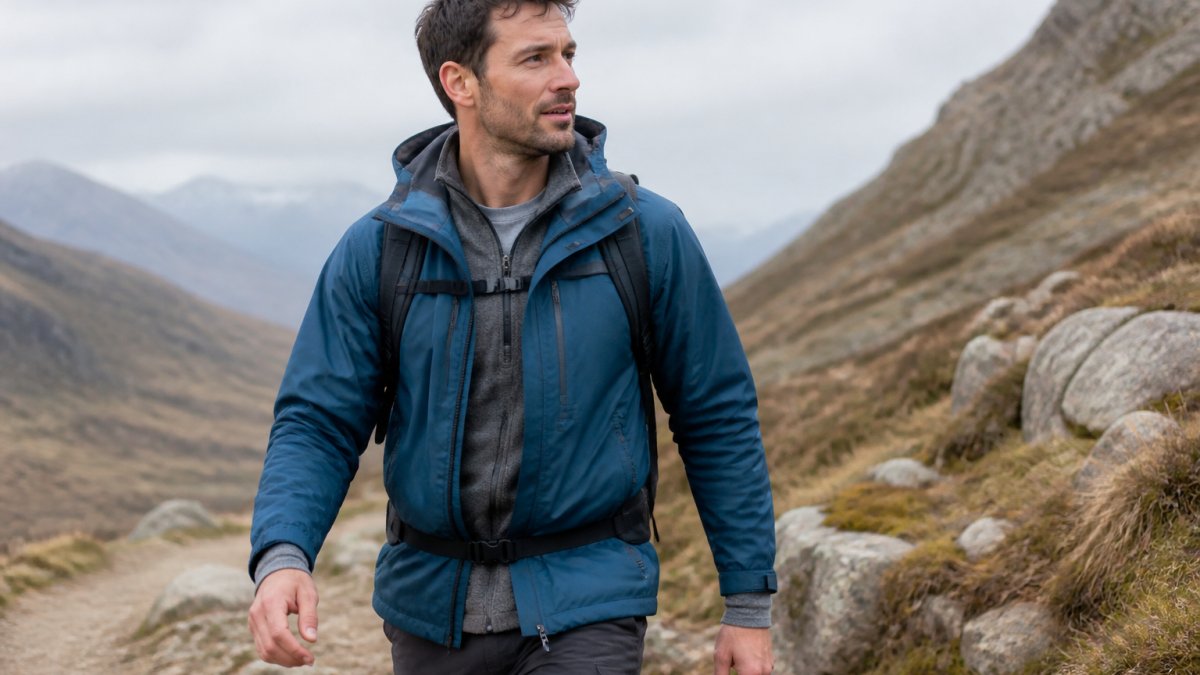
Best Base Layers for Hiking and Cold Weather
A quality base layer keeps moisture off your skin, preventing chilling when you stop moving. Merino wool regulates temperature and resists odor; polyester dries faster and costs less.
Bearable Apparel's joy. | Crewneck Sweatshirt at $29.95 offers breathable cotton for moderate activities and everyday wear.

Mid-Layer Fleece for Hiking and Warmth
Mid-layer fleece traps warm air while letting sweat escape, and it's lightweight, compressible, and quick-drying.
Fleece comes in weights: lightweight for mild conditions and high exertion, heavier for low-intensity cold. The best versatile layers for outdoor activities often include a mid-weight fleece that handles a range of temperatures without bulk.
Pair it with Bearable Apparel's grateful. | Pullover Hoodie at $31.95 for comfort and style.

| Layer Type | Best For | Key Feature | Temperature Range |
|---|---|---|---|
| Base Layer | Moisture management | Sweat-wicking | All conditions |
| Mid-Layer Fleece | Insulation | Lightweight warmth | Cool to cold |
| Outer Shell | Protection | Wind and water resistance | Variable |
Building the best versatile layers for outdoor activities means choosing pieces that work together: a base layer matched to your activity level, a mid-layer fleece for warmth without bulk, and a shell that blocks wind and moisture.
The key to versatility is choosing layers that transition between activities. Your base layer works for gym sessions and outdoor adventures alike. Your mid-layer fleece pairs with casual outfits and active wear. Your shell jacket handles weather protection across multiple seasons. According to outdoor recreation guidelines from the National Park Service, proper layering is essential for safety and comfort in variable outdoor conditions.
Research from the American Hiking Society on cold-weather preparation emphasizes that staying dry is more important than staying warm when hiking. This is why moisture-wicking base layers matter so much. When sweat stays on your skin, it pulls heat away from your body even if you're wearing insulation.
Consider your specific activities when building your layering system. High-exertion activities like hiking require base layers that move sweat quickly. Lower-intensity activities like outdoor sitting benefit more from insulation. Temperature matters too. In mild conditions, you might skip the mid-layer entirely. In cold conditions, you might wear two mid-layers. The American Alpine Club's layering recommendations suggest adjusting your layers before you feel too hot or too cold, which prevents overheating and chilling.
Start with Bearable Apparel's comfortable, breathable pieces, then add specialized gear as your activities demand. The best versatile layers for outdoor activities are the ones you'll actually wear.
Frequently Asked Questions
How many layers should you wear for outdoor activities?
The three-layer system works best: a moisture-wicking base layer against your skin, an insulated mid-layer for warmth, and a protective outer shell for wind and weather. Start with this foundation, then adjust based on temperature and activity level. During high-exertion activities like hiking, you may shed layers to manage sweat; during rest periods, add them back to retain heat.
What are the best thermals for hiking in cold weather?
Look for base layers made from merino wool or synthetic fabrics like polyester that wick moisture away from skin. Merino wool offers natural temperature regulation and odor resistance, while synthetics dry faster. Pair your base layer with a mid-layer fleece and an outer shell to stay warm and dry during your hike.
Can the same layers work for both gym sessions and outdoor activities?
Yes. Versatile layers transition between settings when you choose pieces that balance breathability, comfort, and style. A quality crewneck sweatshirt like the joy. or grateful. crewneck ($29.95 each) works as a mid-layer for outdoor activities and as standalone wear at the gym or office. Look for pieces that fit well, manage moisture, and pair with everyday outfits so you're not buying separate wardrobes for different activities.
