

Table of Contents
- Start With the Best Fabrics for Sensitive Skin
- Check Construction, Fit, and How to Wash Clothes for Sensitive Skin
- Conclusion: Build a Rotation That Works
- Frequently Asked Questions
Last Updated: October 6, 2026
Start With the Best Fabrics for Sensitive Skin
Learning how to choose comfortable clothes for sensitive skin starts with fabric: the wrong material means hours of itching and redness. Prioritise soft fabric with a smooth finish and natural breathability over style or price.
| Fabric | Feel | Breathability | Best For | Watch Out For |
|---|---|---|---|---|
| Cotton | Soft, familiar | Good | Everyday wear | Can shrink; check the wash label |
| Bamboo | Silky, cool | Excellent | Hot, humid weather | Blends vary widely |
| Synthetics | Varies | Poor | Athletic wear | Traps sweat, causes irritation |
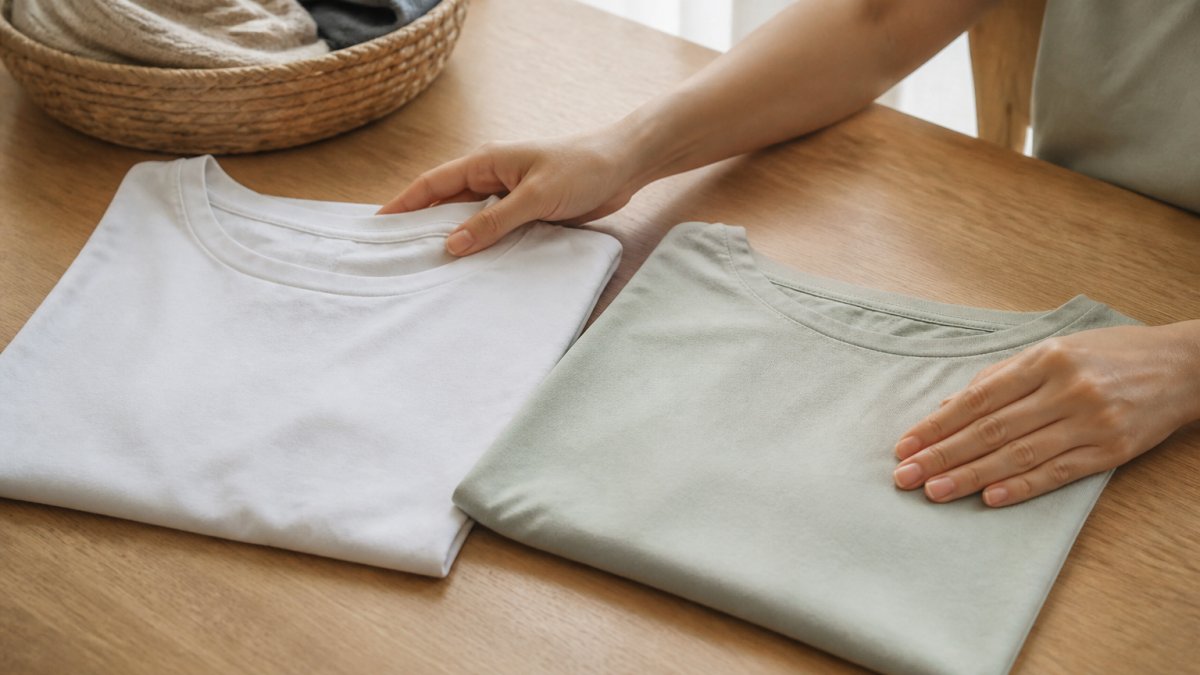
Cotton vs. Bamboo Clothing for Sensitive Skin
Cotton is the safe default: breathable, hypoallergenic, and organic cotton skips the harsh chemicals and pesticides of standard growing. Bamboo feels cooler and silkier, wicking sweat in hot weather, but blends vary and some mix in synthetics that cancel the benefit.
Clothes for Adults With Sensory Issues
Sensory sensitivity is about how clothing feels against skin contact all day, not just softness. Adults with sensory overload react to scratchy seams and tags, tight waistbands and cuffs, and rough textures. The answer: adjustable clothing layers, gentle fabric with a smooth finish, and a clothing fit loose without feeling baggy, principles autism-friendly clothing brands have pushed forward.
Check Construction, Fit, and How to Wash Clothes for Sensitive Skin
Construction and care decide whether clothes stay comfortable after the first wash, a 100% cotton shirt with a stiff collar and scratchy tag still irritates. Look for flat or taped seams, tear-away or printed labels, soft waistbands, a relaxed fit, and breathable fabric with real airflow.
How to Wash Clothes for Sensitive Skin
Laundry habits can undo every good fabric choice: wash new clothes before the first wear, use fragrance-free detergent, skip fabric softener and dryer sheets, wash cold, tumble dry low or hang dry, and change out of sweaty clothes quickly. Residue sits in fabric and touches your skin all day.
How Do You Know If a Fabric Is Causing a Reaction?
Textile contact dermatitis is irritation from direct contact with fabric, dyes, or finishing chemicals, usually at the waist, underarms, and neck. Signs include redness, itching, and a rash that fades when you stop wearing the item; if it returns, switch to natural fabrics, wash in fragrance-free detergent, and rest your skin from the suspect garment.
A Simple Shopping Checklist
Before you buy: check the fabric tag for cotton, bamboo, or linen; feel the inside of the seam; look for a tear-away or printed label; try it on and move around; buy one piece first. Our i can love | Casual Fit Tee uses 100% ring-spun cotton with a tear-away label and tubular fit, and the Love | Casual Fit Tee and Wish You Were Here share that build with preshrunk cotton and double-needle hems. Follow the label: cold wash with similar colors, then tumble dry low or hang dry.


Conclusion: Build a Rotation That Works
The real goal is a small rotation of pieces you trust, so you are never stuck choosing between comfort and everything else. Start with soft fabric in cotton or bamboo, check construction for flat seams and tear-away labels, wash in fragrance-free detergent, and swap out of sweaty clothes fast, then sensitive skin stops running your wardrobe. At Bearable Apparel, we build everyday pieces with that in mind: ring-spun cotton, tear-away labels, and fits made to move. Add to Cart and start your rotation with a tee that feels as good on day one as on wash ten.
Frequently Asked Questions
What clothing is best for sensitive skin?
Soft, breathable natural fabrics work best. Solid-color 100% ring-spun cotton is a reliable starting point because it is smooth and breathable. Avoid heavy fabrics, rough seams, and scratchy tags. For sensitive skin clothing, check the label before you buy: cotton and linen beat polyester-heavy blends for most people, though individual tolerance varies.
Can laundry detergent make clothes irritate sensitive skin?
Yes. Residue from detergent, fabric softener, and dryer sheets stays in the fibers and sits against your skin all day. Use a fragrance-free, dye-free detergent, skip softener entirely, and run an extra rinse cycle. Wash new clothes before wearing them to remove manufacturing finishes, and change out of sweaty clothes promptly so moisture and detergent residue do not stay in contact with your skin.
How should clothes fit if you have sensitive skin?
Choose a relaxed fit that skims the body without pressing or bunching. Tight waistbands, snug cuffs, and seams that dig in create friction and skin irritation, while overly baggy clothes twist and rub. Try garments on and move around: raise your arms, sit down, and check the shoulders and waist. If a tag, seam, or band bothers you in the fitting room, it will bother you more after a full day of wear.
